BARK – DAY 155 or PROJECT 365
- By : Cynthia
- Category : Home - Outdoors, Project 365
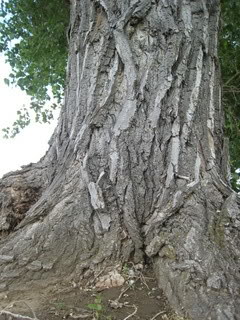
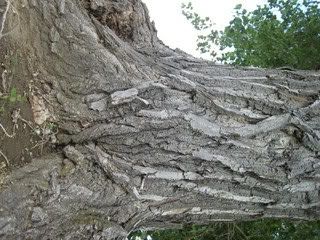 Cottonwoods are found gropwing where there is wet soild which is usually along around lakes or along riverbanks and irrigation ditches. Ours grow on the banks of a irrigation ditches that border our property. Here is some interesting information on the Cottonwood Tree bark:
Though the wood of this tree is moderately weak, it was the only wood available to early settlers on the plains and was sometimes pressed into use as timber. The vegas — horizontal roof beams — of the adobe dwellings characteristic of the southwest are sometimes made of cottonwood. Fine examples are the vegas of the reconstructed Bent’s Fort near La Junta on the Arkansas River. Cottonwood is easy to carve and cottonwood root is the traditional material for the Kachina dolls of the Hopi of northern New Mexico, while drums are made of hollow logs. Cottonwood provides food for beavers (both bark and leaves) and stems for beaver dams and lodges. Deer and elk browse the twigs.
If you found this information interesting, click here for more historical information.
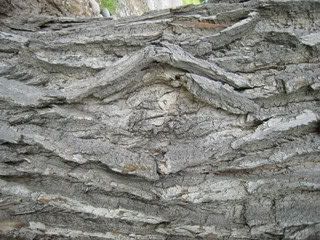
According to the above-mentioned website, some Cottonwoods can reach 6′ in diameter. Emily and I went out to measure ours and one of them is over 4.5′ in diamter.
Do any of you remember reading the Holling C Holling book, Tree in the Trail. You might recall that it is the partly-fictional story of a Plains Cottonwood tree found on the Sante Fe trail. Hmmm… why didn’t I remember to read it when we were studying the Sante Fe trail. Oh well.. there’s always time to catch up during summer break, right?